緑濃く燃ゆる大地。龍の気配息づくこの国に生きる私たちの心を、豊かに彩ってくれる日本文化の数々。私たちはもっともっと我らが文化を誇り、愉しむべきでしょう。あなたはどんな日本文化がお好きですか?今回のテーマは「組紐」です。さぁ、ひとまず日常の煩わしさは忘れて、共に日本の美と祈りの世界に没入しましょう🌸
第十話 組紐
一本の紐に現れる、美しい秩序
赤、青、緑、紫、金、白――。
色とりどりの絹糸が、右へ、左へと交差しながら、一本の美しい紐へと姿を変えていく。
組紐は、複数の糸を斜めに交差させながら組み上げて作る、日本の伝統工芸です。
織物のように経糸と緯糸を直角に交差させるのではなく、それぞれの糸が互いに場所を移りながら、ひとつの紐を形作っていきます。
しなやかで、丈夫で、そして美しい組紐。そこには、日本人が長い年月をかけて育んできた、「組む」という知恵があります。
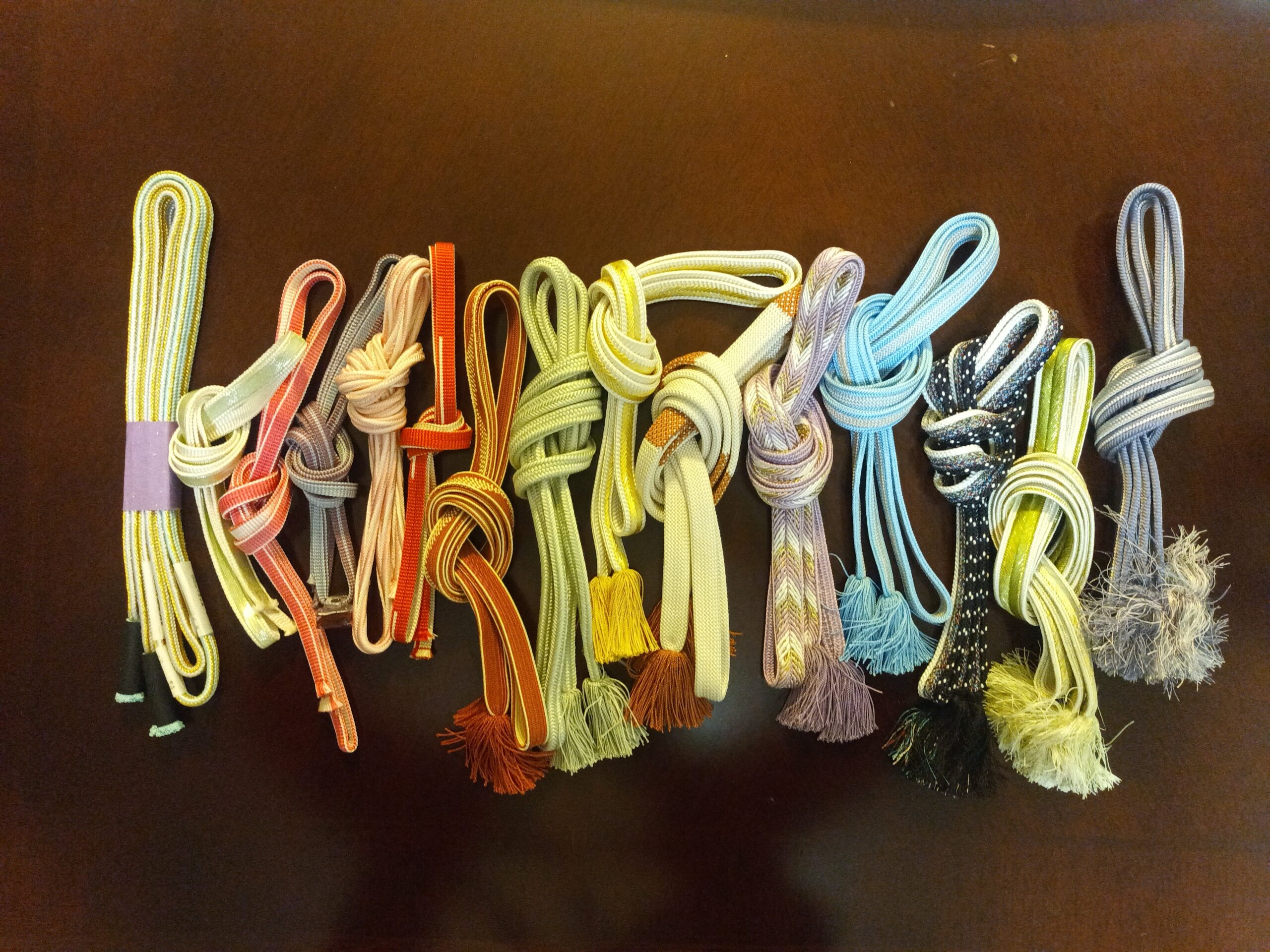
組紐と聞けば、着物の帯締めを思い浮かべる方も多いでしょう。私も着物を着るとき、帯締めを選ぶことは楽しみのひとつです。手元には、いつの間にかさまざまな色の帯締めが集まりました。
淡い水色や若草色、藤色、珊瑚色。金糸の入った華やかなものもあれば、何色もの糸を組み合わせたものもあります。
同じ着物と帯でも、帯締めを一本替えるだけで、不思議なくらい全体の印象が変わりますよね。
一本だけを見たときには少し強すぎるように思う色が、着物と帯の間に置かれると、その為にこそ作られたかのような、必要不可欠な色に変ることさえあります。
反対に、ごく控えめな色が全体を静かにつないでくれることも……。
ごく小さな面にこれほど豊かな色と表情を持たせるところにも、日本文化らしい美意識を感じます。
仏教とともに伝わった、古い紐
糸を組んで一本の紐を作る技術は、日本だけのものではありません。世界各地に、それぞれの土地で育まれた組紐の文化があります。日本には大陸からその技術が伝わり、奈良時代にはすでに仏教に関わる品々にも用いられていました。
経巻をまとめる紐や袈裟など、初期の組紐は信仰の世界と深く結びついています。正倉院にもさまざまな組紐が残されており、この時代にはすでに、色彩豊かな糸を複雑に組み上げる高度な技術が存在していました。
平安時代になると、貴族の装束や太刀の緒、経巻や絵巻を結ぶ紐など、その用途はさらに広がります。
そして武士の時代には、鎧兜や刀などの武具にも使われるようになります。
江戸時代には、武家文化の発展とともに技術がさらに磨かれ、その美しさはやがて庶民の装いにも広がっていきます。
現在では帯締めや羽織紐をはじめ、装飾品やさまざまな生活用品に広く使われています。時代によって用途を変えながら、「糸を組む」という基本は変わることなく今日まで伝えられてきたのです。
組み目から生まれる、文様と願い
組紐のおもしろさは、色だけではありません。糸をどの方向へ動かし、どの順序で交差させるかによって、丸い紐にも平たい紐にも、角のある紐にもなります。
代表的なものには「丸組」「平組」「角組」などがあり、さらに冠組、奈良組、笹浪組、高麗組、唐組、亀甲組など、数多くの組み方があります。
そして、この組み方と糸の配色によって、紐の表面にはさまざまな文様が現れるのですが、たとえば「亀甲」。
六角形を連ねた亀甲文様は、亀の甲羅を思わせる形から、長寿を象徴する吉祥文様として親しまれてきました。ひとつの六角形が次の六角形へとつながり、途切れることなく続いていく姿には、繁栄や永続への願いも重ね見ることができます。
また、「矢羽根」も印象的な文様です。
矢の羽を並べたような形には、邪気を払い、まっすぐ進むという意味が託されてきました。一度放たれた矢は後ろへ戻らないことから、門出を祝う文様としても好まれています。
そして、斜めの線が交差して生まれる「菱」も、日本で古くから親しまれてきた形です。
組紐では、糸そのものが交差することで文様が生まれるため、「つながる」「重なる」「続く」という吉祥の意味をもつ形が自然と立ち現れます。
一見すると小さな所作が、しだいに尊い文様を生み、その繰り返しがやがて大きな美しさへと完成されていく。そこには、限られた面の中に規則と変化を共存させる、日本独特の美意識を見ることができます。
「組む」ということ
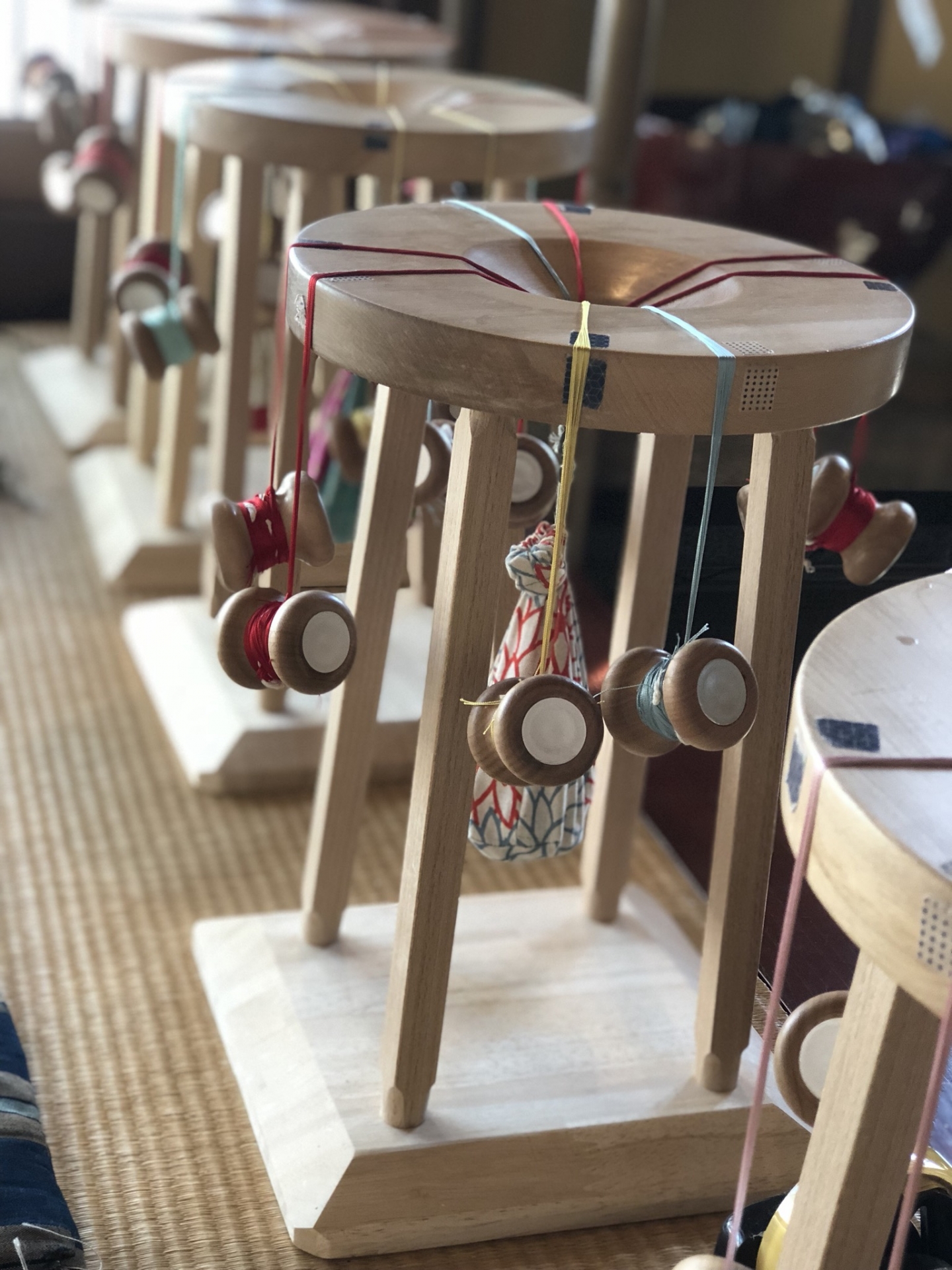
組紐について考えていると、そもそも「組む」とは何だろう、というところに行き着きます。
竹を組んで籠を作り、木を組んで建物を作る。
腕を組み、人と組み、予定を組み、文章を組み立てる。
そして、何かに力を尽くすことは取り組む— —。
物から人へ、人から時間や思考へと、「組む」という言葉は、目には見えないものにまで広がります。
けれど、その根本は案外よく似ているように思います。
組むためには、ひとつの要素ではこと足りません。
複数の要素をただ集めるのではなく、それぞれを互いに関わらせながら、ひとつの形や働きを生み出していく。
つまり組むとは、複数の要素を関わらせることで、それぞれを生かす、より良い関係をつくること。
そう考えると、組紐の見え方も少し変わってきます。
そして興味深いことに、古代の組紐を今に伝える正倉院もまた、組むことで作られた建築です。
正倉院正倉の北倉と南倉は校倉造。三角形の断面を持つ木材を井桁状に組み上げて、壁を作っています。その中に、千年以上の時を越えて古代の組紐も伝えられてきました。
もちろん、組紐と校倉造はまったく別の技術です。
けれど、細い絹糸であっても太い木材であっても、一つ一つの素材を組み合わせることによって、
強さと美しさを内包したある種の魂が生まれる。
一本一本の糸そのものが、組むことで強い素材に変わるわけではありません。
変わるのは、糸と糸との関係です。
糸が交差し、互いに触れ合いながらひとつの構造を支え合うことで、それぞれの糸は完全に独立した存在ではなくなります。
つまり肝心なのは、一本一本を強くすることではなく、複数の糸が互いに関わり合いながら、それぞれがその役割を果たすことのできる構造を作ることなのです。
さらに、糸を交差させることで生まれるのは、強さだけではありません。
同じ交差から、文様も生まれます。
実用のための強さを作り、その上に美しい装飾を加えるのではなく、強さを生み出す構造が、美しさを生み出す構造でもあるということ— —。
一本だけを強く引きすぎれば形は崩れ、緩すぎても美しい紐にはなりません。それぞれの糸がほどよい張力を保ち、位置を変えながら交差することで、強さと美しさが同時に生まれるのです。
赤い糸は赤い糸として、白い糸は白い糸のまま。
違うものを同一にするのではなく、違うものをすべて生かして、一つの形を作り上げる。
組むという行為のおもしろさは、そこにあるのかもしれません。
時を越えて残るもの
正倉院に伝わる品々を見ていると、私はときどき、その美しさを技術や素材だけでは説明しきれないと感じることがあります。当時の人々は、今よりもはるかに、目には見えないものを身近に感じながら暮らしていたのではないでしょうか。
そしてそれを「霊的エネルギー」と呼ぶなら、彼らは意識するしないに関わらず、糸を組み、布を織るその日々の営みの中に、自分たちが持つその力を自然に織り込んでいたのではないか……私はそんなことを思います。
正倉院の品々が千年以上の時を越えて今なお在り続けることには、もちろん建物の構造や保存環境、
修理や管理など、現実的な理由があります。
けれどそれとは別に、正倉院の品一つひとつが纏う、独特のオーラのようなものを感じる人も少なくないのではないでしょうか。
作り手からその物へと渡された、目には見えない何か。
それを科学的に証明することはできません。
けれど私は、古い組紐や織物、建築を前にするとき、形や色だけでは説明のつかない幽玄な美が組み込まれているように感じるのです。
細い絹糸を、ひと筋、またひと筋と組んでいく。
そこに強さが生まれ、文様が生まれ、美しさが生まれる。
そして、もしかすると作り手の祈りや、言葉にならない想いや愛着までもが、その一交差、一交差の中に宿るのかもしれません。
一つからはけして生まれ得ないものを、複数の異なるものが関わり合うことで強く美しく、そして意味あるものとして生み出す。
千年の時を経てもなお私たちが美しいと感じるその組紐の奥には、組むという営みそのものが持つどこか硬派な魅力が、静かに息づいているように思います。
美しさに宿る祈り――つゆらのまなざし
―― 文:安東瑠璃
つゆらストアのご案内
つゆらの世界観を小さな形にしました。つゆらストアにてご覧いただけます。
オリジナル画像制作も承りますので、もしよろしければどうぞ🍀
The Beauty and Prayer of Japan
Episode 10: Kumihimo
Beautiful Order Revealed in a Single Cord
Red, blue, green, purple, gold, white――.
Colorful silk threads cross from right to left, gradually transforming into a single beautiful cord.
Kumihimo is a traditional Japanese craft in which multiple threads are braided together, crossing diagonally to form a cord.
Unlike woven fabric, where warp and weft intersect at right angles, each thread continually changes its position in relation to the others, together forming a single cord.
Supple, strong, and beautiful, kumihimo embodies the wisdom of kumu—the act of bringing separate elements together—a wisdom cultivated by the Japanese over many centuries.
For many people, the word kumihimo may immediately bring to mind the obijime cord worn with kimono. When I wear kimono, choosing an obijime is one of the pleasures I especially enjoy. Before I knew it, I had gathered a collection in all sorts of colors.
Pale blue, fresh green, wisteria purple, coral. Some are splendid with gold threads woven into them, while others combine threads of many different colors.
Even with the same kimono and obi, simply changing the obijime can alter the entire impression in a surprisingly profound way.
A color that seems a little too strong when seen on its own can, when placed between kimono and obi, suddenly become indispensable—as though it had been created for that very purpose.
At other times, the most understated color quietly draws the whole ensemble together…….
I find something distinctly Japanese in the aesthetic sensibility that can give such richness of color and expression to so small a space.
An Ancient Cord Brought with Buddhism
The art of braiding threads into a single cord is not unique to Japan. Cultures around the world have developed their own traditions of braided cords. The technique reached Japan from the Asian continent, and by the Nara period it was already being used for objects associated with Buddhism.
Early kumihimo was closely connected with the world of faith, appearing in cords used to bind sutra scrolls and in Buddhist vestments. Various examples of kumihimo have also been preserved in the Shosoin Repository, showing that sophisticated techniques for intricately braiding richly colored threads had already developed by this period.
During the Heian period, its uses expanded further to include aristocratic garments, sword cords, and cords for binding sutras and illustrated scrolls.
With the rise of the warrior class, kumihimo also came to be used for armor, helmets, swords, and other military equipment.
During the Edo period, its techniques became increasingly refined alongside the development of samurai culture, and its beauty eventually spread into the dress of ordinary people.
Today, kumihimo is widely used for obijime and haori cords, as well as ornaments and many objects of everyday life. Its uses have changed with the times, but the fundamental act of “braiding threads together” has remained unchanged and continues to be passed down to the present day.
Patterns and Wishes Born from the Braid
The fascination of kumihimo lies not only in its colors. Depending on the direction in which the threads are moved and the order in which they cross, the resulting cord may be round, flat, or angular.
Basic forms include maru-gumi (round braids), hira-gumi (flat braids), and kaku-gumi (square braids), while numerous individual braiding techniques include kara-gumi, Nara-gumi, sasanami-gumi, korai-gumi, kara-kumi, and kikko-gumi.
Through the combination of these braiding techniques and the arrangement of colored threads, many different patterns emerge on the surface of the cord. One example is the kikko, or tortoiseshell pattern.
Formed from a succession of hexagons resembling a tortoise shell, the kikko has long been cherished as an auspicious pattern symbolizing longevity. As one hexagon joins another in an unbroken continuation, the design can also evoke wishes for prosperity and enduring good fortune.
Another striking design is the yabane, or arrow-feather pattern.
Its arrangement, resembling the feathers of an arrow, has been associated with warding off harmful influences and moving resolutely forward. Because an arrow, once released, does not return, the pattern has also been favored as a symbol for celebrating departures and new beginnings.
The hishi, or diamond shape, created where diagonal lines intersect, is another form long familiar in Japan.
Because kumihimo patterns arise from the crossing of the threads themselves, forms suggesting auspicious ideas such as “connection,” “overlapping,” and “continuity” emerge naturally from the structure of the braid.
What at first appears to be a small and simple movement gradually gives rise to a meaningful pattern, and through repetition, grows into a larger beauty. Here we can glimpse a distinctly Japanese aesthetic sensibility—one that allows order and variation to coexist within a limited space.
What It Means to Kumu
Thinking about kumihimo eventually leads to a more fundamental question: what does it actually mean to kumu—to bring things together?
We weave strips of bamboo together to make baskets, and join timbers together to make buildings.
We fold our arms, join forces with another person, arrange a schedule, and construct a piece of writing.
Even devoting ourselves to a task is expressed in Japanese with a word derived from kumu: torikumu.
From objects to people, and from people to time and thought, the Japanese word kumu extends even into things that cannot be seen.
Yet at their core, these meanings may be more alike than they first appear.
To kumu, a single element is not enough.
It is not simply a matter of gathering several elements together, but of bringing them into relationship with one another so that a new form or function can emerge.
In other words, to kumu is to bring multiple elements into relationship in a way that allows each one to contribute, creating something better through their connection.
Seen in this light, kumihimo begins to look a little different.
Interestingly, the Shosoin Repository, which has preserved ancient kumihimo to the present day, is itself an example of architecture created by joining elements together.
The northern and southern sections of the Shosoin’s main repository are built in the azekura style, with triangular wooden beams laid in interlocking courses to form the walls. Within them, ancient kumihimo has been preserved across more than a thousand years.
Of course, kumihimo braiding and azekura architecture are entirely different techniques.
Yet whether the materials are fine silk threads or massive timbers, bringing individual elements together can give rise to something possessing both strength and beauty—something we might even call a kind of soul.
The individual threads themselves do not become inherently stronger simply because they are braided.
What changes is the relationship between one thread and another.
As the threads cross and touch one another, supporting a single structure together, each thread ceases to exist in complete isolation.
What matters, then, is not making each individual thread stronger, but creating a structure in which multiple threads interact with one another while each is able to fulfill its own role.
And strength is not the only thing born from the crossing of threads.
From those same intersections, patterns emerge.
Strength is not created first for practical purposes and then decorated with beauty afterward. Rather, the very structure that creates strength is also the structure that creates beauty――.
If one thread is pulled too tightly, the form loses its balance; if the threads are too loose, the cord cannot take on its beautiful form. It is as each thread maintains an appropriate tension, shifting position and crossing the others, that strength and beauty arise together.
The red thread remains red, and the white thread remains white.
Rather than making different things identical, kumihimo allows every difference to remain and brings them together into a single form.
Perhaps this is where the deeper fascination of kumu lies.
What Endures Across Time
When I look at the objects preserved in the Shosoin, I sometimes feel that their beauty cannot be fully explained by technique and material alone. Perhaps the people of that time lived with a far greater awareness than we do today of things that cannot be seen.
And if we choose to call that awareness “spiritual energy,” I sometimes wonder whether, consciously or unconsciously, they naturally wove something of that energy within themselves into the everyday acts of braiding threads and weaving cloth.
There are, of course, practical reasons why the treasures of the Shosoin have continued to exist for more than a thousand years: the structure of the building, the conditions in which they have been preserved,
and the care, conservation, and repairs they have received.
Yet apart from those reasons, perhaps I am not alone in sensing something like a distinctive aura surrounding each of the objects preserved there.
Something unseen, passed from the hands of the maker into the object itself.
It is not something that can be scientifically proven.
And yet, when I stand before ancient kumihimo, textiles, or architecture, I feel that something beyond form and color has been woven into them—a profound and mysterious beauty that words alone cannot fully explain.
Fine silk threads are braided together, one strand after another.
From them arise strength, pattern, and beauty.
And perhaps the maker’s prayers, unspoken feelings, and even affection for the work may also come to dwell within each crossing of the threads.
What could never arise from one alone is brought into being through the relationship of many different elements—made strong, beautiful, and meaningful through their coming together.
Behind the beauty we still find in kumihimo after a thousand years, I sense the quiet presence of something resolute and uncompromising in the very act of kumu itself.
Prayer Dwelling in Beauty――Through the Eyes of Tsuyura
―― Written by Ruri Ando
つゆらストアのご案内
つゆらの世界観を小さな形にしました。つゆらストアにてご覧いただけます。
オリジナル画像制作も承りますので、もしよろしければどうぞ🍀